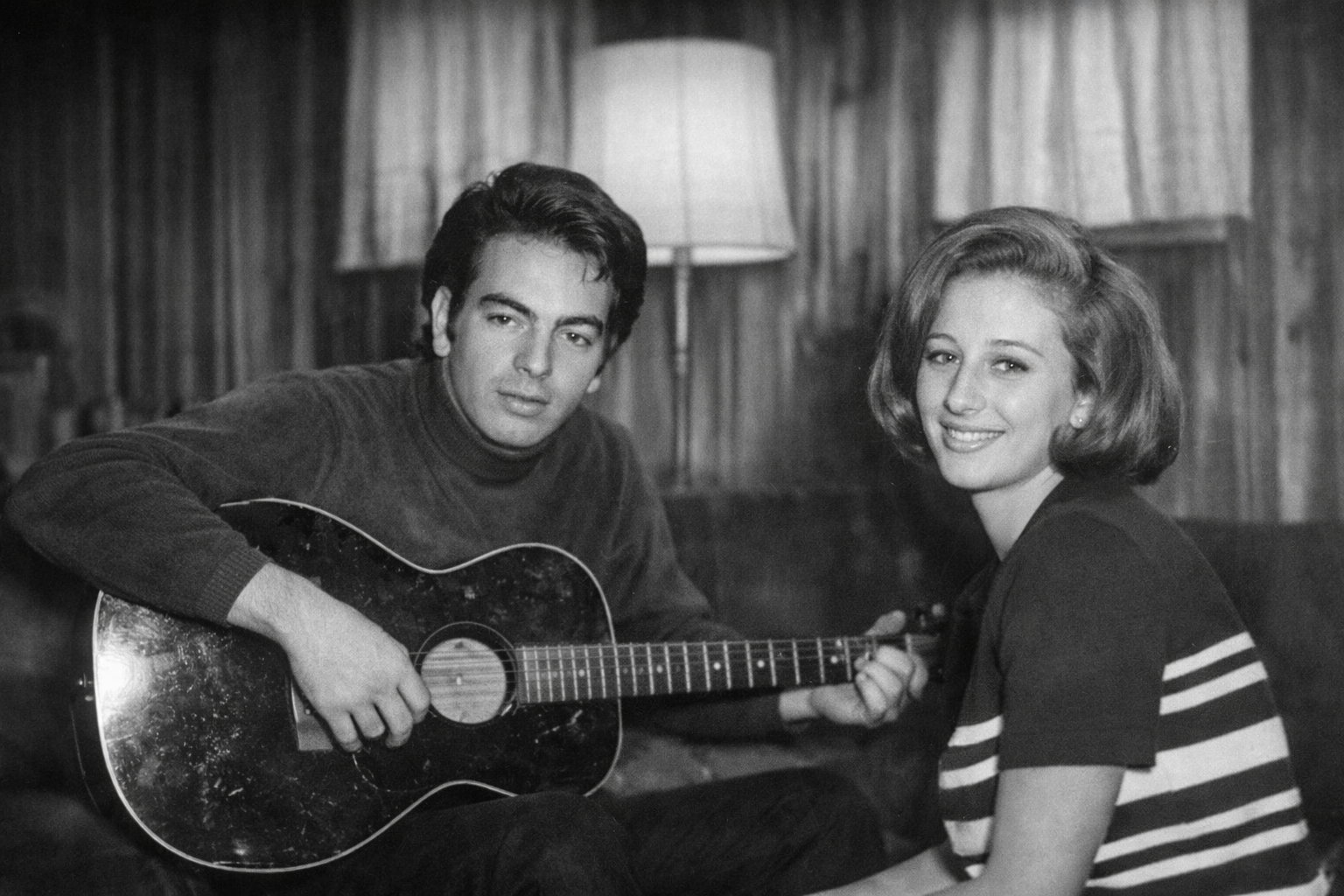
Jayne Posner is a name that often appears in connection with one of America’s most celebrated musicians, yet her own story has remained largely private. Known primarily as the first wife of Neil Diamond, Jayne Posner lived a life that intersected briefly with fame before deliberately returning to a quieter, more personal path. Her biography is not one of celebrity headlines or public performances, but rather of early partnership, family, and the complexities of building a life alongside rising ambition.
This article takes a biography-style approach to Jayne Posner’s life, focusing on verified facts, cultural context, and the significance of her role during a formative chapter in Neil Diamond’s journey. It is not an attempt to sensationalize, but to understand who she was, when she mattered most in the public narrative, and why her privacy continues to define her legacy.
Early Life and Background
Growing Up Away from the Spotlight
Very little verified public information exists about Jayne Posner’s early childhood, and that absence is important. Unlike many individuals associated with fame today, she did not grow up in a media-saturated environment. Her life unfolded in a time when personal histories were not routinely documented online, and private citizens could remain just that.
What is known is that Jayne Posner grew up in New York and later became a schoolteacher. Teaching, particularly in the mid-twentieth century, was a profession associated with stability, respect, and service. It was also a career commonly pursued by women who valued education and community engagement. This choice alone offers insight into her character: grounded, practical, and oriented toward long-term contribution rather than public attention.
Education and Professional Life
By the early 1960s, Jayne Posner was established as a teacher. At a time when creative careers were risky and unpredictable, teaching provided consistency. This contrast would later shape the dynamic of her marriage, as her professional life represented stability while her husband pursued an uncertain path in music.
Her work as a teacher is one of the few consistently reported aspects of her identity beyond marriage. It also underscores a recurring theme in her life story: substance over spectacle.
Meeting Neil Diamond
A High School Relationship
Jayne Posner and Neil Diamond met as teenagers and became high school sweethearts. Their relationship developed long before Diamond’s rise to fame, during years when both were still shaping their ambitions and identities. This early bond was built in a setting far removed from recording studios, tours, and international recognition.
The fact that their relationship predated fame is crucial. Jayne Posner did not enter Diamond’s life as a celebrity spouse. Instead, she was part of his formative years, sharing in the uncertainty, hope, and struggle that often accompany early adulthood.
Marriage in a Time of Transition
The couple married in 1963. At that point, Neil Diamond was still working to establish himself in the music industry. Songwriting opportunities were emerging, but widespread success had not yet arrived. Their marriage began during a transitional phase, both personally and professionally.
This period required adaptability. As Diamond pursued music, Jayne Posner maintained her teaching career. Their partnership reflected a common pattern of the era: one spouse chasing a high-risk dream, the other ensuring stability at home.
Marriage and Family Life
Building a Family
Jayne Posner and Neil Diamond had two daughters together. Parenthood added another layer of responsibility to an already demanding phase of life. Balancing young children with a rapidly evolving music career would have placed strain on any relationship, especially in a time when traditional expectations often assigned domestic responsibility primarily to mothers.
Despite the challenges, Jayne Posner’s role as a mother became central. While Neil Diamond’s career increasingly required travel and relocation, she remained a steady presence for their children, particularly after the marriage began to fracture.
The Growing Divide
As Neil Diamond’s career gained momentum, the demands of fame became more pronounced. Success brought opportunity, but it also introduced distance, pressure, and competing priorities. For many couples, especially young ones, this shift can be destabilizing.
By 1967, Jayne Posner and Neil Diamond had separated. Their divorce was finalized in 1969. The end of the marriage coincided with a period of rapid professional ascent for Diamond, marking a clear divide between his private beginnings and his public success.
Life After Divorce
Choosing Privacy
After the divorce, Jayne Posner largely disappeared from public view. She did not seek media attention, give interviews, or attempt to capitalize on her connection to a rising star. Instead, she focused on raising her children and continuing her life away from the spotlight.
This decision is perhaps the most defining aspect of her biography. In an age when association with fame can easily become a career, Jayne Posner chose anonymity. That choice has shaped how little is known about her later years and why reliable information remains scarce.
Raising Children Outside Fame
Following the separation, Jayne Posner remained the primary caregiver for their daughters. Reports indicate that the children lived with her in New York and later in New Jersey. This environment offered a degree of normalcy, shielding them from the intensity of celebrity culture during their formative years.
Her role as a parent during this time reflects quiet resilience. While Neil Diamond’s public life expanded dramatically, Jayne Posner ensured that her children experienced continuity, education, and routine.
Cultural Context of Her Story
Marriage and Divorce in the 1960s
Understanding Jayne Posner’s life requires understanding the era in which it unfolded. The 1960s were a time of shifting social norms, particularly around marriage and gender roles. Divorce rates were rising, and traditional expectations were being questioned.
For women, especially those married to ambitious men, the decade often involved navigating competing identities as professionals, wives, and mothers. Jayne Posner’s experience reflects these broader social dynamics, making her story representative of many women whose contributions remained largely unseen.
Women, Work, and Recognition
Teaching was one of the most common professions for women during this period. While it offered stability, it rarely brought recognition beyond the local community. Jayne Posner’s career choice placed her within a large, essential workforce that supported society quietly and consistently.
Her lack of public recognition is not unusual. It mirrors the experiences of countless women whose lives intersected with history indirectly, through relationships rather than headlines.
Public Curiosity and Modern Search Interest
Why Her Name Still Appears
Decades after her divorce, Jayne Posner’s name continues to generate interest online. This curiosity is driven less by her own actions and more by ongoing fascination with Neil Diamond’s life and legacy. Fans seeking to understand the musician’s origins naturally encounter the people who shaped his early years.
However, modern search behavior often blurs the line between public record and private life. Speculation, inconsistent name spellings, and unverified claims circulate easily, making it harder to distinguish fact from assumption.
Respecting Boundaries in the Digital Age
Jayne Posner’s biography highlights an important ethical consideration: not everyone connected to fame consents to public scrutiny. Her absence from social media, interviews, and public appearances suggests a deliberate boundary.
In this sense, her story is not incomplete. It is intentionally contained. Recognizing that distinction is key to understanding her legacy.
Legacy and Significance
A Foundational Chapter
Jayne Posner represents the earliest chapter in Neil Diamond’s personal history. She was present before the accolades, before the sold-out arenas, and before the cultural impact that would define his career. Her role during those years was foundational, even if it was not publicly celebrated.
That foundation does not require embellishment to be meaningful. It exists in the shared years, the family they built, and the support she provided during uncertain beginnings.
Redefining Visibility as Strength
In contemporary culture, visibility is often equated with relevance. Jayne Posner challenges that assumption. Her life demonstrates that influence does not always require attention, and that significance can exist without documentation.
Her biography is, therefore, not a story of fame, but of choice. Choosing stability over spectacle. Choosing privacy over recognition. Choosing a life defined on her own terms.
Conclusion
Jayne Posner’s biography is marked by restraint, dignity, and quiet strength. As the first wife of Neil Diamond, she occupied a pivotal yet private place in the story of a public figure. Her life reminds us that behind every celebrated career are individuals whose contributions are deeply personal rather than publicly acknowledged.
In an era that often rewards exposure, Jayne Posner’s enduring anonymity is a statement in itself. Her story is not one of absence, but of intention. By understanding her life within its historical and cultural context, we gain a fuller, more respectful view of the human stories that exist alongside fame, shaping it without seeking to own it.