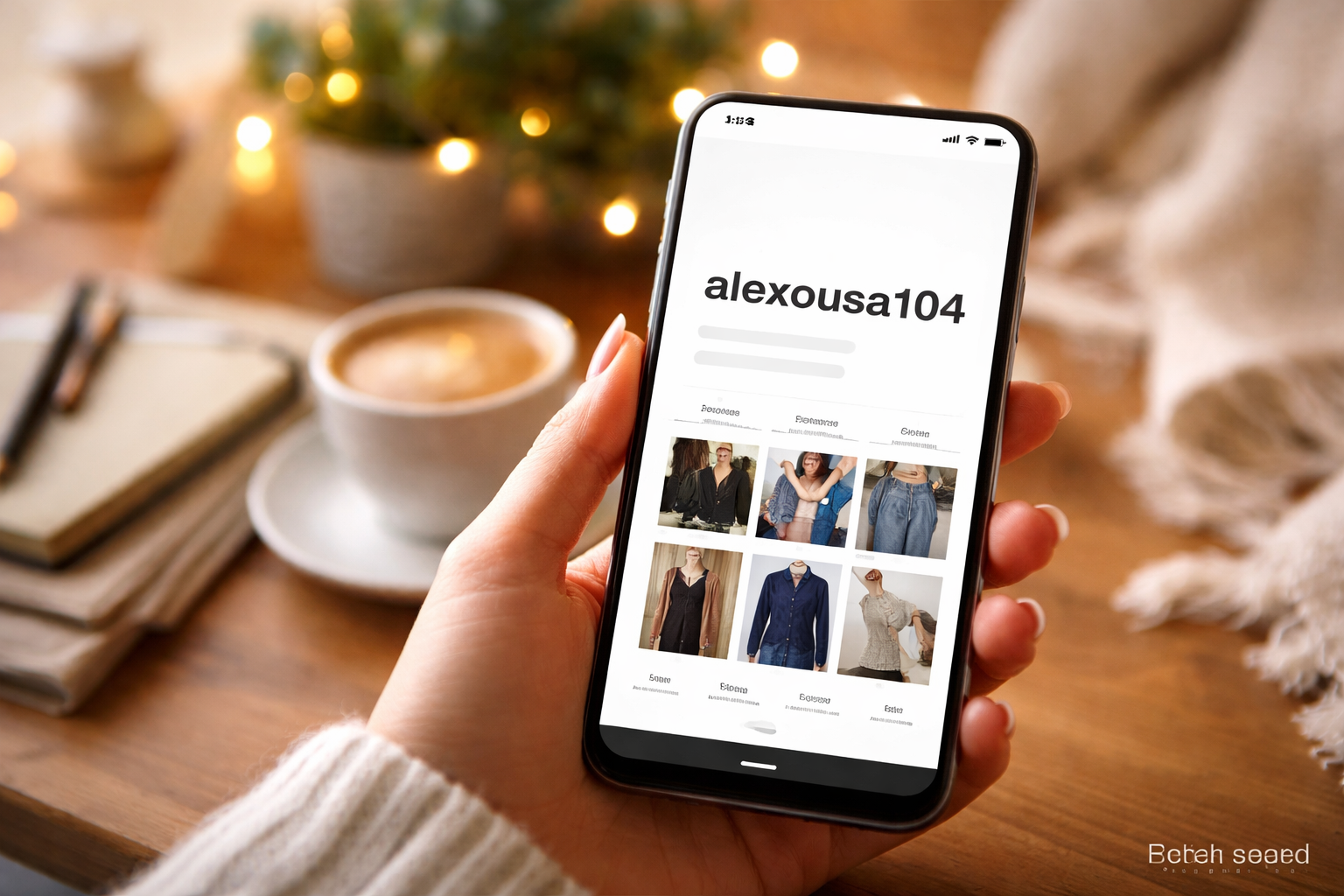
The internet has transformed the way people discover identities. Sometimes a name becomes searchable not because it belongs to a celebrity, but because it appears repeatedly across digital spaces. The keyword “alexousa104” is one of those intriguing online identifiers that has recently drawn attention in search results. While it may look like a simple username at first glance, it reflects a broader story about online presence, digital commerce, and the way modern identities exist on the web.
Today, usernames function like small digital brands. They can represent a seller, a creator, or an everyday user who interacts with online platforms. When people search a term such as alexousa104, they are usually trying to understand who is behind the name, what activity is connected to it, and whether the identity is trustworthy.
This article explores what alexousa104 appears to represent, why usernames like this attract search interest, and how digital handles are shaping online credibility in 2026.
What Is alexousa104
At its core, alexousa104 appears to be a personal online username. It follows a pattern that is extremely common on the internet: a first name combined with a geographic hint and a number. The structure suggests that the user likely chose a recognizable personal name, added “USA” to represent location or availability, and then attached the number “104” to create a unique identifier.
Usernames built this way are common across social media platforms, online marketplaces, and gaming communities. They are easy to remember and often represent a real individual rather than a corporate brand.
Search results connected to alexousa104 suggest that the name has appeared in online resale marketplaces, particularly in fashion-related listings. This indicates that the username may be connected to a seller who lists clothing or lifestyle items through digital platforms. These types of accounts are increasingly common as resale culture grows around the world.
The Rise of Usernames as Digital Identities
A decade ago, usernames were often anonymous tags used for casual communication. Today they serve a much larger purpose. A username can act as a storefront, a social identity, and even a personal brand.
The growth of online marketplaces has played a major role in this shift. Platforms that allow individuals to sell clothing, accessories, or collectibles have created millions of micro‑entrepreneurs. Each of these sellers uses a username to represent their digital presence. Over time, that username becomes associated with trust, reliability, and style.
In many cases, buyers remember the seller’s username more easily than a real name. When someone encounters a seller repeatedly, curiosity naturally leads them to search the handle. That is often how a term like alexousa104 begins to appear in search engines.
Why People Search Names Like alexousa104
The internet encourages people to investigate identities before interacting with them. This behavior is especially common in online marketplaces where buyers want reassurance before purchasing an item.
When someone searches a username, they are usually trying to answer a few basic questions. They want to know whether the account looks genuine, whether other users have interacted with it, and whether there is any sign of suspicious activity. In other words, the search process becomes a way to evaluate credibility.
In addition to verification, curiosity also drives searches. A username that appears multiple times across listings or comments can catch a person’s attention. Once that happens, the natural next step is to type the name into a search engine to learn more.
How Online Marketplaces Turn Usernames Into Brands
Online resale platforms have transformed ordinary usernames into recognizable digital storefronts. Sellers who consistently list items build a reputation that is tied directly to their handle.
For example, a fashion reseller might specialize in vintage clothing, sustainable fashion pieces, or well‑known designer brands. Over time, buyers begin to associate the seller’s username with a specific style or category. When that reputation grows, the username effectively becomes a small brand.
This is why usernames such as alexousa104 can gain visibility. Even a modest level of activity can make an account recognizable to returning buyers or followers.
The growth of secondhand fashion has accelerated this trend. Many shoppers now prefer resale marketplaces because they offer unique items and support sustainable consumption. As a result, sellers who curate interesting wardrobes attract attention from both buyers and search engines.
Digital Trust in the Modern Internet
Trust is one of the most valuable currencies online. Unlike traditional retail environments, digital marketplaces require buyers and sellers to interact without meeting in person. Because of this, users rely heavily on reputation signals.
These signals include consistent activity, detailed listings, positive feedback, and transparent communication. When these elements are present, users feel more confident engaging with an account.
A username becomes the central identifier for all of these trust signals. Over time, that identifier carries meaning. Even if the person behind the account remains largely private, their username begins to represent reliability.
This dynamic explains why seemingly ordinary usernames can become searchable. The more activity connected to a handle, the more digital signals appear around it. Eventually those signals create a searchable footprint.
The Influence of the Creator and Resale Economy
Another reason usernames gain attention is the expansion of the creator economy. In recent years, individuals have discovered that they can build small businesses through social platforms and digital marketplaces.
Some creators focus on producing content, while others focus on curating products. Both paths rely heavily on personal branding. Even a simple username can serve as the foundation for a recognizable online identity.
Fashion resellers are a good example. Many begin by selling items from their own closets. Over time they learn which styles attract buyers and which brands generate interest. As their listings grow, so does their audience.
Eventually the username attached to the account becomes familiar within a particular community. It might represent vintage clothing, minimalist fashion, or sustainable shopping practices. This kind of niche recognition can make a username more visible in search results.
Understanding the Meaning Behind the Name
The name alexousa104 itself provides small clues about the person who created it. The “Alex” portion suggests a personal name, which often helps accounts feel more human and approachable. The “USA” portion might refer to geographic location or simply indicate the market the seller serves.
Numbers at the end of usernames are extremely common. They are often added when the original version of the name is already taken. The number “104” does not necessarily hold special meaning, but it allows the username to remain unique within the platform.
When all of these elements are combined, the result is a practical and memorable digital handle.
Why Unique Usernames Matter in Search Engines
Search engines organize information based on identifiable terms. A distinctive username is easier to index than a common phrase. This means that even small online accounts can become searchable if their usernames are consistent across platforms.
For example, if a person uses the same username on multiple websites, search engines begin to connect those appearances. Over time, the name becomes associated with different types of content, from marketplace listings to social comments.
The more often the name appears, the more likely it is to appear in search results. That process gradually turns the username into a searchable identity.
In the case of alexousa104, the uniqueness of the name makes it particularly easy for search engines to identify.
The Cultural Shift Toward Searchable Identities
Modern internet culture encourages transparency and discovery. People are accustomed to researching profiles before interacting with them. This habit has changed how digital identities function.
In the past, usernames were often disposable. Today they are more permanent. Individuals may use the same handle for years across multiple platforms.
Because of this consistency, usernames accumulate history. They represent conversations, transactions, and creative work. Even a small account can leave a trail of activity that becomes visible to others.
This shift has created a new kind of visibility where ordinary users can become searchable simply by participating online.
Conclusion
The keyword alexousa104 may look simple, but it reflects the evolving nature of digital identity. Usernames are no longer just labels attached to online profiles. They function as personal brands, reputation markers, and search‑engine identifiers.
As online marketplaces and social platforms continue to grow, more individuals will build recognizable identities through their usernames. Even accounts that operate on a small scale can develop a meaningful presence over time.
In this environment, a name like alexousa104 represents more than a random combination of letters and numbers. It illustrates how the modern internet connects people through searchable identities, digital commerce, and community interaction. What once would have been an anonymous username can now become a visible part of the global online ecosystem.