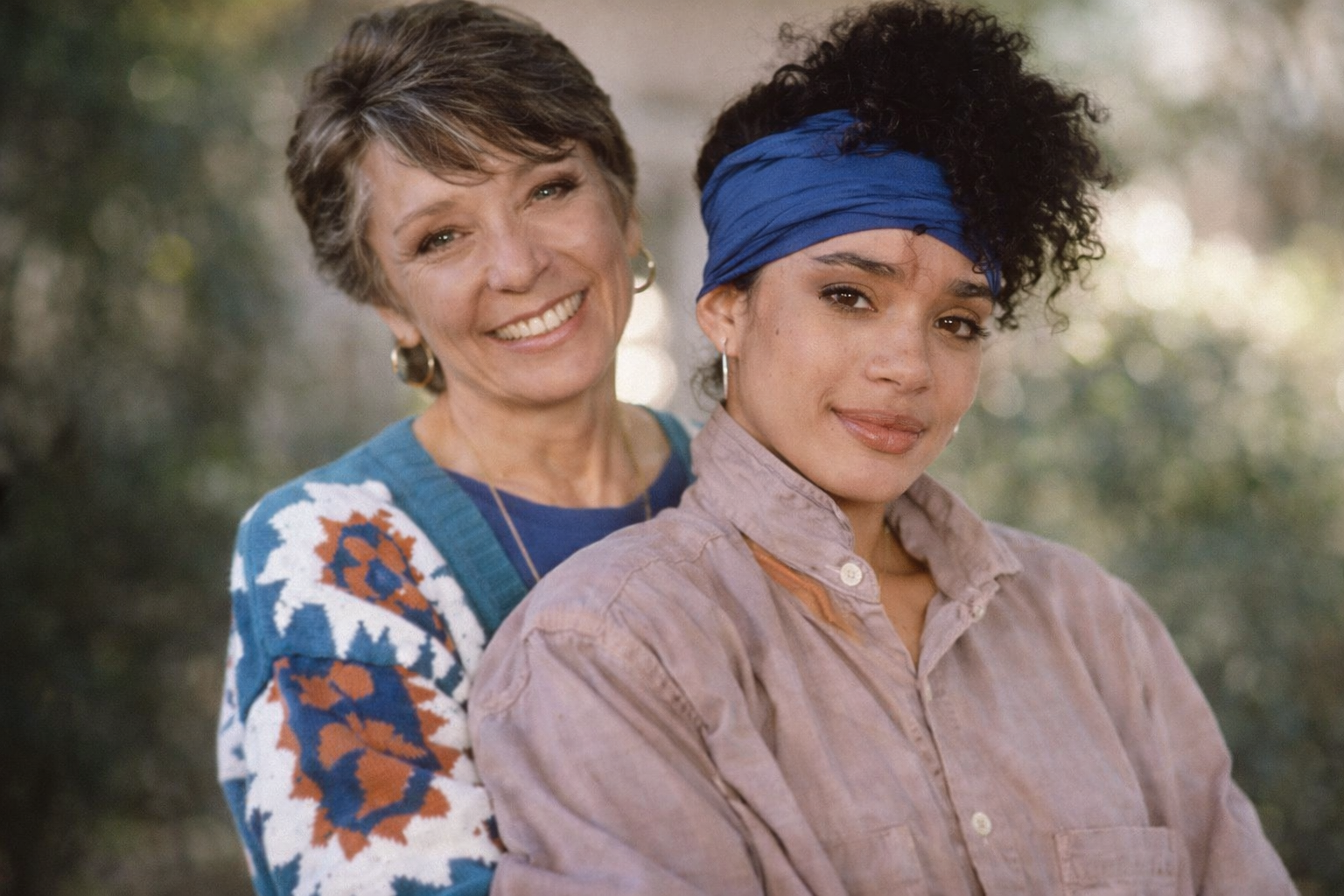
Some lives are lived far from the spotlight yet quietly shape stories the world later comes to know. Arlene Litman belongs to that category. Her name is most often encountered through biographies of her daughter, actress Lisa Bonet, but reducing Arlene Litman to a single relational reference misses the depth of her own life and the era she lived in. She was not a celebrity, a public intellectual, or a media personality. Instead, she represents something far more common and, in many ways, more enduring: a working woman, a mother, and an educator whose influence unfolded privately rather than publicly.
This biography explores what is known about Arlene Litman while placing her life within its broader social and cultural context. Because she did not seek fame, details about her remain limited. Yet those fragments, when carefully examined, tell a story about family, identity, and resilience in mid-to-late twentieth-century America.
Early Life and Cultural Background
Arlene Joyce Litman was born in the United States into a Jewish family of Ashkenazi heritage. While public records do not offer extensive documentation of her childhood or upbringing, references to her cultural background appear consistently across reputable biographical sources connected to her daughter. Growing up Jewish in America during the mid-twentieth century often meant navigating dual identities: being fully American while also maintaining cultural and religious traditions that had historically faced exclusion.
This background is important not because it defines Arlene Litman entirely, but because it helps explain the social environment in which she later built her family. Jewish Americans of her generation experienced the gradual opening of social and professional doors after decades of restriction, yet prejudice and subtle barriers still existed. Education was frequently viewed as both a path to stability and a moral obligation, which may help explain her later career choice.
Career as an Educator
Arlene Litman is consistently described as a schoolteacher. That detail, simple on the surface, carries weight. Teaching is a profession rooted in patience, structure, and long-term investment in others. During the decades when Arlene Litman was working, teaching was also one of the most accessible professional careers for women who sought economic independence and intellectual fulfillment.
Being a teacher meant more than delivering lessons. It meant daily emotional labor, discipline, adaptability, and often working within underfunded systems. For many women of her generation, teaching was not only a job but a calling shaped by social expectations and personal values. While specific information about where or what she taught is not publicly documented, her professional identity as an educator suggests a life built around responsibility and consistency.
Marriage and Interracial Family Life
Arlene Litman married Allen Bonet, an opera singer of African American heritage. Their union placed them within a small but growing number of interracial couples in the United States during a period when such marriages were still socially contested. Even after legal restrictions on interracial marriage were struck down in 1967, social acceptance lagged behind the law.
Interracial families in this era often faced external scrutiny as well as internal pressures, including questions of cultural identity and belonging. Choosing such a partnership required a degree of independence from social norms and a willingness to withstand judgment. While their marriage did not last, its existence alone reflects personal courage and a broader shift in American society.
Motherhood and Raising Lisa Bonet
Arlene Litman became a mother with the birth of Lisa Bonet in 1967. Shortly after, her marriage ended, and she raised her daughter primarily on her own. This aspect of her life is central to how she is remembered publicly, yet it is rarely examined beyond a brief mention.
Single motherhood during this period carried social stigma alongside practical challenges. Financial stability, childcare, and emotional support often rested on one person’s shoulders. For a working mother in education, balancing professional duties with parenting demands would have required discipline and sacrifice.
Lisa Bonet has spoken in interviews about feeling caught between identities while growing up, not fully accepted as either white or Black by peers. That experience suggests that home was likely a critical space of affirmation and grounding. While Arlene Litman did not speak publicly about her parenting, the outcome points to a household that allowed exploration, creativity, and independence.
Life Away From Public Attention
Unlike many parents of famous figures, Arlene Litman did not step into the public sphere alongside her child’s rising career. As Lisa Bonet gained fame through television and film, her mother remained largely absent from media coverage. This absence appears to have been intentional rather than accidental.
Remaining private in the face of proximity to celebrity requires restraint. It suggests a clear boundary between personal life and public narrative. For someone whose profession emphasized guiding others rather than promoting oneself, this choice aligns with a values-driven approach to life.
Because of this privacy, rumors and unverified claims about Arlene Litman’s later years occasionally circulate online. These should be approached with caution. The lack of consistent, primary documentation makes it difficult to confirm specific dates or causes of death. Respecting that uncertainty is part of honoring her life rather than filling gaps with speculation.
Cultural Impact Through Generations
Although Arlene Litman did not leave behind books, public speeches, or artistic works, her cultural impact is indirect yet significant. Through her daughter and granddaughter, her influence extends into modern conversations about race, gender, and identity.
Lisa Bonet became known for challenging conventional beauty standards and embracing unconventional roles. Zoë Kravitz, Arlene Litman’s granddaughter, continues this legacy in contemporary film and music. While it would be simplistic to credit one individual for another’s creative trajectory, family environments undeniably shape confidence, worldview, and resilience.
Arlene Litman’s role as an educator and parent likely contributed to a household where curiosity and self-expression were encouraged. These qualities often become visible generations later, long after the original influence has faded from view.
The Significance of Privacy in Biography
Writing about someone like Arlene Litman requires a different approach than writing about a celebrity. The absence of extensive public records is not a failure of documentation but a reflection of a life lived deliberately outside the spotlight. In an era when personal details are often shared freely, her story reminds us that privacy can itself be a defining characteristic.
Biographies of private individuals must rely on verified facts, contextual understanding, and restraint. The goal is not to expose every detail but to understand the shape of a life and its broader meaning. Arlene Litman’s biography is therefore less about events and more about roles: teacher, mother, partner, and cultural bridge.
A Reflection on Women of Her Generation
Arlene Litman’s life mirrors that of many American women born in the mid-twentieth century. They came of age during social transformation, entered the workforce in greater numbers, navigated shifting family structures, and raised children amid cultural change. Most did so without public recognition.
These women laid groundwork that later generations often take for granted. Access to education, acceptance of diverse families, and broader definitions of identity were not inevitable outcomes. They were built incrementally through everyday decisions made by people like Arlene Litman.
Conclusion
Arlene Litman may never be the subject of exhaustive biographies or documentaries, and that is fitting. Her legacy is quieter, woven into family life and professional dedication rather than public acclaim. She is remembered primarily as Lisa Bonet’s mother and a schoolteacher, yet those roles carry profound influence.
Her life reflects themes that resonate beyond any single family: the courage to form a family across cultural lines, the resilience of single motherhood, the steady impact of educators, and the dignity of privacy. In understanding Arlene Litman, we gain insight not only into the roots of a well-known artistic lineage but also into the countless lives that shape history without ever appearing at its center.
Sometimes, the most meaningful stories are not the loudest ones. They are the ones that quietly endure.