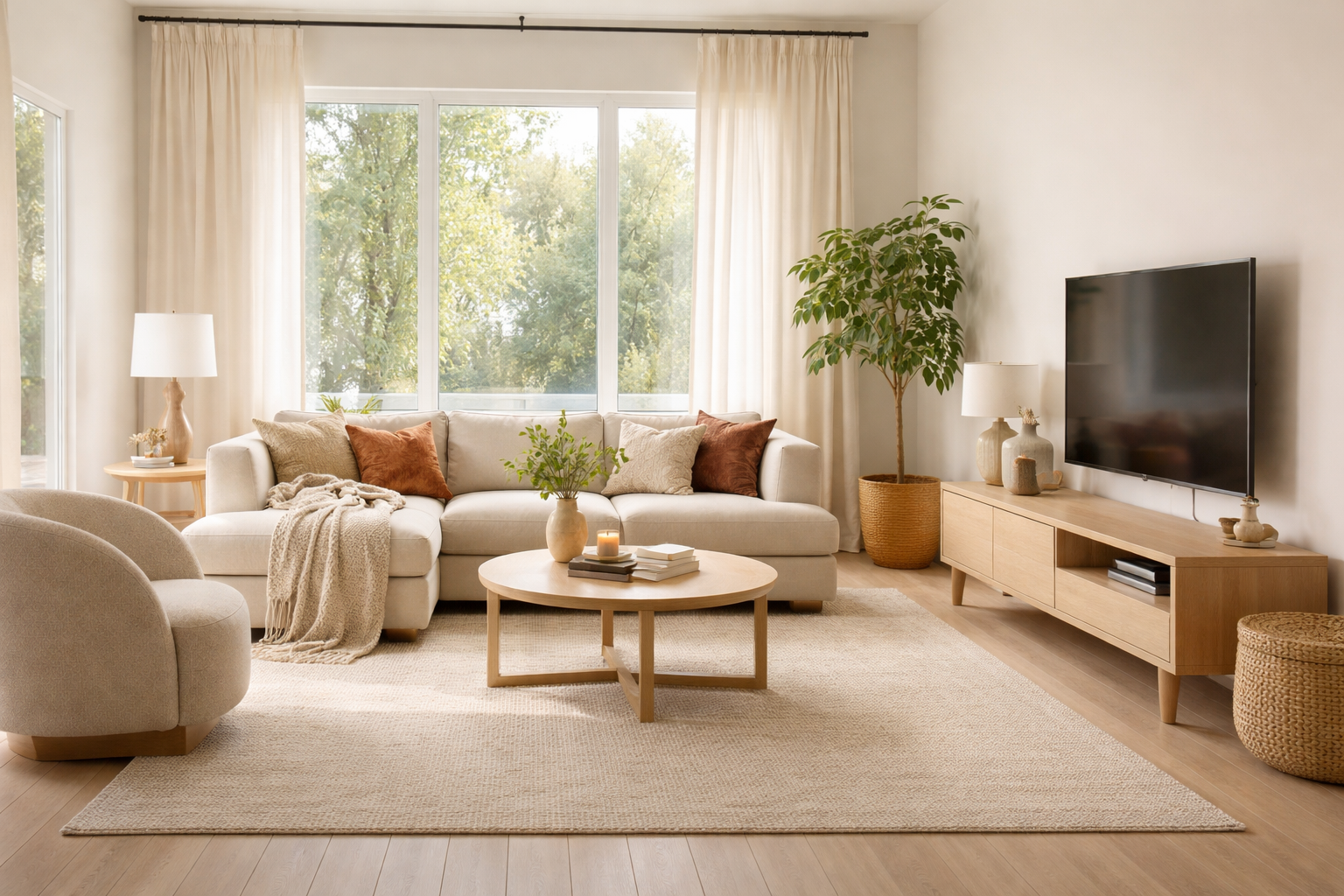
The idea behind contemporary comfort mipimprov is simple, yet deeply relevant to how people live today. Modern homes are no longer just visual statements. They are places where work, rest, family life, and personal recovery all happen under one roof. People want spaces that look current without feeling cold, efficient without being rigid, and stylish without sacrificing comfort. Contemporary comfort mipimprov speaks directly to this shift.
At its core, the concept reflects a modern approach to home improvement that values adaptability, warmth, and real-life usability. It blends contemporary design principles with everyday comfort, focusing on gradual, meaningful improvements rather than dramatic renovations. The goal is not perfection. It is balance. A home shaped by contemporary comfort mipimprov feels intentional, calm, and supportive, while still allowing room for personality and change.
Understanding the Meaning of Contemporary Comfort Mipimprov
Contemporary comfort mipimprov is best understood as a mindset rather than a fixed style. The term combines modern design thinking with comfort-driven improvisation. “Contemporary” signals clean lines, updated materials, and thoughtful layouts. “Comfort” centers on physical ease, emotional calm, and functionality. “Mipimprov” suggests improvement through small, flexible changes instead of rigid planning.
Together, these ideas create a philosophy where homes evolve alongside the people living in them. Instead of chasing trends or copying showrooms, homeowners make decisions based on how a space actually feels during daily life. This approach values subtle upgrades, practical adjustments, and personal intuition.
Why Comfort Has Become Central to Modern Design
In recent years, comfort has moved from being a luxury feature to a basic design requirement. Homes now serve multiple roles. Living rooms double as workspaces. Bedrooms are places of rest and reflection. Kitchens are social hubs as much as functional ones. With so much happening indoors, people are paying closer attention to how spaces affect mood, energy, and well-being.
Contemporary comfort mipimprov responds to this reality. It acknowledges that a visually impressive home means little if it causes stress or fatigue. Comfort, in this sense, is not about excess softness or indulgence. It is about reducing friction. A comfortable home supports natural movement, reduces sensory overload, and allows routines to flow without constant adjustment.
The Emotional Side of Contemporary Comfort
Comfort is not only physical. Emotional comfort plays an equally important role in how a home feels. A space designed with contemporary comfort mipimprov in mind often feels welcoming the moment you enter. Lighting is gentle rather than harsh. Furniture invites use rather than admiration from afar. There is a sense that the home is lived in, not staged.
This emotional ease comes from intentional choices. Clear surfaces reduce mental clutter. Thoughtful storage prevents chaos from spreading. Familiar textures and personal objects create a sense of belonging. These elements work together to make a space feel safe and grounding, even when life outside feels busy or uncertain.
How Modern Design Supports Everyday Comfort
Modern design often gets a reputation for being cold or minimalist to the point of discomfort. Contemporary comfort mipimprov challenges that assumption. Clean lines and open layouts can actually enhance comfort when paired with warmth and flexibility.
Modern layouts improve movement and flow. Updated materials are often easier to maintain. Neutral palettes create calm backdrops that reduce visual noise. When these features are balanced with soft lighting, comfortable seating, and adaptable furniture, modern design becomes an ally rather than an obstacle to comfort.
The key lies in restraint. Instead of filling every corner, contemporary comfort mipimprov encourages leaving space to breathe. Empty space is not wasted space. It allows the eye to rest and the room to adapt to changing needs.
The Role of Small Improvements
One of the defining traits of contemporary comfort mipimprov is its emphasis on small, targeted improvements. Large renovations can be costly, stressful, and disruptive. This approach focuses on changes that can be made gradually, often with immediate impact.
A single lighting adjustment can transform how a room feels at night. Repositioning furniture can improve flow and comfort without spending anything. Adding a soft surface can reduce noise and make a space feel calmer. These changes may seem minor, but together they reshape daily experience.
By focusing on small improvements, people gain confidence in their choices. The home becomes a living project rather than a fixed goal. This flexibility is especially valuable as lifestyles change over time.
Comfort as a Functional Principle
Comfort within contemporary comfort mipimprov is deeply tied to function. A comfortable home supports the body without demanding constant attention. Seating should encourage healthy posture. Work areas should reduce strain. Sleeping spaces should promote rest rather than stimulation.
Functionality also extends to maintenance. A space that is difficult to clean or organize quickly loses its sense of comfort. Contemporary comfort mipimprov favors materials and layouts that simplify care. When a home is easier to maintain, it feels lighter and more supportive.
Light, Temperature, and Atmosphere
Environmental factors play a major role in how comfortable a home feels. Lighting, temperature, and airflow all influence mood and energy levels. Contemporary comfort mipimprov treats these elements as design tools rather than afterthoughts.
Soft, layered lighting helps rooms transition smoothly from day to night. Cooler light supports focus during the day, while warmer tones encourage relaxation in the evening. Temperature control, whether through insulation, ventilation, or smart systems, allows spaces to remain comfortable throughout the year.
When these environmental elements are balanced, the home responds intuitively to daily rhythms. This responsiveness is a defining feature of modern comfort-focused living.
Personalization Without Clutter
Personal expression is essential, but it must be handled thoughtfully to maintain comfort. Contemporary comfort mipimprov does not reject personal items or decoration. Instead, it encourages intentional placement.
Rather than displaying everything at once, meaningful objects are given space to stand out. Art, books, and personal mementos become focal points rather than background noise. This selective approach creates emotional connection without overwhelming the senses.
A personalized home feels alive. It reflects the people who live there while still maintaining a sense of calm and order.
Sustainability and Long-Term Comfort
Long-term comfort is closely linked to sustainability. Materials that age well, systems that conserve energy, and designs that adapt over time all contribute to a home that remains comfortable for years. Contemporary comfort mipimprov naturally aligns with sustainable thinking because it values durability and thoughtful use of resources.
Instead of frequent replacements, this approach encourages choosing items that last. Instead of dramatic changes, it favors incremental updates. These choices reduce waste while also supporting financial and emotional stability.
A sustainable home often feels better to live in. It carries fewer regrets and less urgency, allowing comfort to grow naturally.
The Social Aspect of Comfortable Living
Comfortable homes are easier to share. When a space is designed around ease and flexibility, it welcomes guests without stress. Seating arrangements encourage conversation. Lighting adapts to different occasions. There is room for both solitude and connection.
Contemporary comfort mipimprov supports this social dimension by prioritizing adaptability. Rooms are not locked into a single purpose. They shift as needed, accommodating quiet evenings, family gatherings, or casual work sessions.
This adaptability strengthens the relationship between the home and the people who use it, making it a supportive backdrop for everyday life.
Common Misunderstandings About Modern Comfort
One common misconception is that comfort requires softness everywhere. In reality, contrast creates balance. Firm surfaces paired with soft accents often feel more supportive than overly plush environments. Another misunderstanding is that modern comfort is expensive. Many improvements associated with contemporary comfort mipimprov cost little or nothing and rely more on thoughtful choices than on spending.
There is also a belief that comfort limits creativity. In truth, comfort often enhances creativity by reducing distraction and stress. A comfortable environment allows ideas and routines to flow more freely.
Conclusion
Contemporary comfort mipimprov represents a thoughtful response to modern living. It recognizes that homes must do more than impress visually. They must support daily life in subtle, meaningful ways. By blending contemporary design with comfort-focused improvements, this approach creates spaces that feel calm, flexible, and deeply human.
Rather than chasing perfection, contemporary comfort mipimprov encourages ongoing care and attention. Each small improvement strengthens the relationship between people and their homes. Over time, these choices build environments that feel lived in, supportive, and genuinely welcoming. In a world that often feels rushed and demanding, this kind of comfort is not just desirable. It is essential.