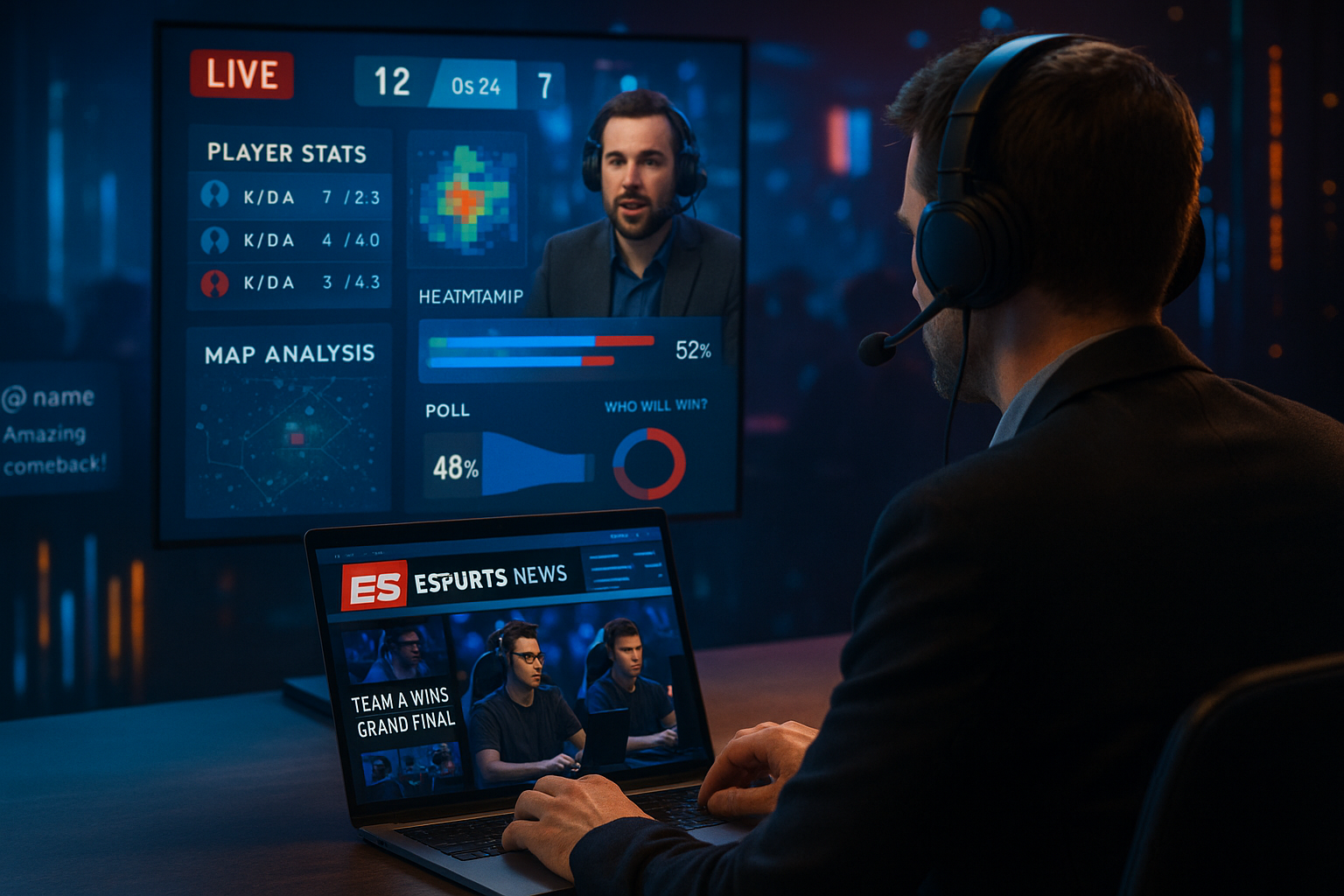
In 2025, esports has evolved far beyond live tournaments and streaming highlights. It’s now a billion-dollar entertainment industry fueled by technology, fandom, and global media ecosystems. Among the biggest shifts redefining this space is the rise of dualmedia esports journalism—a hybrid media approach that blends real-time reporting, interactive data visualization, and community-driven content.
Esports News Dualmedia stands at the center of this transformation. It’s not just another gaming news outlet—it represents a next-generation content model, merging traditional journalism with participatory, multimedia engagement. From live match analytics to virtual interviews and interactive dashboards, dualmedia coverage is changing how fans consume and experience esports news.
What Is Dualmedia in Esports?
The term dualmedia refers to the integration of two or more forms of media—typically textual journalism and interactive multimedia—to deliver immersive storytelling. In esports, this often combines:
-
Real-time data journalism (live scoreboards, player stats, heatmaps)
-
Video and live-streamed commentary
-
Social media integration (fan polls, reactions, influencer responses)
-
AI-powered analysis (predictive performance insights, strategy breakdowns)
-
Augmented and virtual reality overlays for deeper viewer engagement
Unlike traditional esports reporting—focused on recaps or interviews—dualmedia platforms make the viewer an active participant in the story. For example, while reading an article about a League of Legends tournament, fans might explore live analytics or toggle between perspectives of different teams.
This dynamic, layered format makes esports coverage more engaging, accessible, and data-driven—matching the energy of the games themselves.
The Rise of Esports Journalism 2.0
To understand Esports News Dualmedia, it’s important to trace how esports journalism evolved.
1. The Blog Era (2005–2015)
Early esports coverage relied heavily on fan blogs, Reddit threads, and small gaming websites. Reporting was informal and community-based, often focusing on match results or rumors. While passionate, this era lacked professional infrastructure and reliable monetization.
2. The Streaming Boom (2016–2021)
With Twitch, YouTube Gaming, and Mixer (now defunct), esports journalism expanded into live commentary and influencer coverage. News outlets began using streamers as correspondents, creating hybrid entertainment-news formats.
3. The AI & Analytics Age (2022–2025)
Today’s esports journalism leverages AI-driven insights and interactive storytelling tools. The line between reporter and audience has blurred: fans contribute data, reactions, and live commentary—creating a dual feedback loop that defines dualmedia coverage.
How Esports News Dualmedia Works
1. Integrated Content Pipelines
Dualmedia platforms combine editorial content and multimedia workflows. For example, a journalist covering Valorant Champions Tour can embed real-time player stats, win probabilities, or social sentiment analytics directly into the article.
2. Audience Interactivity
Fans don’t just consume content—they shape it. Through comment integrations, live polls, and reaction data, users can influence editorial direction. Some esports newsrooms use AI summarization tools to integrate fan discussions into post-match reports.
3. Multi-Platform Distribution
Esports News Dualmedia typically operates across multiple platforms simultaneously:
-
Website articles for SEO and long-form storytelling
-
TikTok/YouTube Shorts for quick highlights
-
Twitch/Discord integrations for live engagement
-
AR/VR applications for immersive replays
4. Data-Driven Editorial Decisions
Analytics are no longer post-publishing metrics—they drive real-time editorial decisions. Platforms use machine learning models to predict trending topics, sentiment shifts, and player popularity—allowing journalists to adapt coverage instantly.
Why Dualmedia Matters in Esports Journalism
1. It Reflects Esports’ Real-Time Nature
Competitive gaming evolves by the second. Dualmedia’s real-time publishing and interactive visuals make it the perfect match for the speed and volatility of esports ecosystems.
2. It Enhances Viewer Retention
Interactive features like live stats and fan polls increase engagement time. According to [Statista, 2025], users spend 32% more time on dualmedia esports articles than static news posts.
3. It Builds Community Trust
By merging user-generated insights with verified journalism, dualmedia creates transparency. Fans can see data sources, replays, and AI models used in analysis—reducing misinformation and speculation.
4. It Expands Monetization Avenues
Dualmedia platforms can monetize via:
-
Sponsorship integrations (interactive ads, in-stream overlays)
-
Subscription models for premium data dashboards
-
Affiliate links for in-game content, merchandise, and event tickets
This hybrid model makes esports journalism financially sustainable without resorting to clickbait or low-value SEO tactics.
Case Study: Esports News Dualmedia in Action
To illustrate, consider how a major event—say, The International 2025 (Dota 2)—is covered through dualmedia:
| Feature | Traditional Coverage | Dualmedia Coverage |
|---|---|---|
| Match Results | Posted after event | Updated live with heatmaps |
| Interviews | Text quotes | Interactive video with timeline highlights |
| Fan Engagement | Comment section | Real-time polls, Discord chat integration |
| Analytics | Static post-match stats | Predictive performance metrics during the match |
| Monetization | Banner ads | Integrated sponsorship overlays and dynamic product links |
This interactive format not only informs but immerses readers—turning them from spectators into participants.
Challenges and Ethical Considerations
Even as Esports News Dualmedia transforms gaming journalism, it faces complex challenges:
1. Data Accuracy
AI-driven reporting relies heavily on automated data feeds. Errors in match data or algorithmic interpretation can lead to misinformation. Responsible dualmedia outlets must verify all automated content before publishing.
2. Deepfake Risks
With deepfake technology advancing, dualmedia platforms must guard against fake interviews or manipulated footage. Verification systems, blockchain timestamping, and digital watermarks are becoming essential tools.
3. Editorial Independence
The blurred line between media and fan engagement can pressure journalists to favor popular opinions over objective reporting. Maintaining editorial integrity is vital for long-term trust.
4. Monetization Ethics
Interactive sponsorships must not compromise user trust. Clear labeling and disclosure—aligned with Google’s 2025 transparency guidelines—are essential.
How Dualmedia Is Shaping the Future of Esports Coverage
By 2025, dualmedia journalism is expected to be standard in top esports publications. Major organizations such as Dexerto, Esports Insider, and Upcomer are already experimenting with AR overlays, dynamic analytics, and audience co-creation.
Emerging trends include:
-
AI Co-Journalists: Automated systems summarizing live matches in natural language.
-
Blockchain Verification: Authenticating player interviews, sponsorships, and reporting integrity.
-
Metaverse Integration: Interactive viewing experiences inside digital arenas.
-
Voice and Gesture Interfaces: Letting users control esports dashboards hands-free during live streams.
These innovations make esports journalism one of the fastest-evolving fields in digital media.
How Brands and Teams Benefit from Dualmedia Esports News
Dualmedia coverage doesn’t just benefit audiences—it reshapes brand storytelling and athlete visibility.
1. Enhanced Sponsorship Value
Sponsors gain real-time visibility through interactive overlays and dynamic ad placement. Instead of static banners, brands appear naturally within player profiles, gear stats, or event visualizations.
2. Improved Player Branding
Athletes receive deeper narrative exposure—fans can explore performance heatmaps, training footage, or behind-the-scenes interviews—all within a single article.
3. Better Data for Teams
Dualmedia analytics give teams insights into fan sentiment, regional engagement, and performance narratives—helping optimize marketing and training strategies.
Practical Steps to Launch an Esports News Dualmedia Platform
If you’re a journalist, startup, or content creator aiming to build your own dualmedia esports hub, here’s a step-by-step roadmap:
-
Define Your Niche: Focus on a specific game or league to start (e.g., Valorant, CS2, LoL).
-
Integrate Data APIs: Use official game APIs or platforms like PandaScore for live stats.
-
Adopt Interactive Frameworks: Tools like Flourish, Datawrapper, or custom dashboards built in React can deliver real-time visuals.
-
Create Cross-Platform Distribution: Sync website content with Twitch, Discord, and YouTube updates.
-
Prioritize Transparency: Always cite sources, label AI-assisted sections, and ensure data verifiability.
-
Build a Community Feedback Loop: Encourage fans to contribute verified insights, polls, or match reactions.
By doing this, your platform won’t just report on esports—it will become part of the live conversation shaping the industry.
Read Also: Hamish Badenoch Biography, Career & Family
Conclusion: The Future Is Interactive
The rise of Esports News Dualmedia signals a powerful shift in how digital audiences engage with journalism. It represents more than a technological upgrade—it’s a philosophical reimagining of storytelling itself.
By merging data, interactivity, and human expertise, dualmedia reporting mirrors the pace, excitement, and community of esports. As the industry heads toward deeper integration with AI, AR, and immersive streaming, one thing is clear:
The future of esports news is not just about watching—it’s about participating.