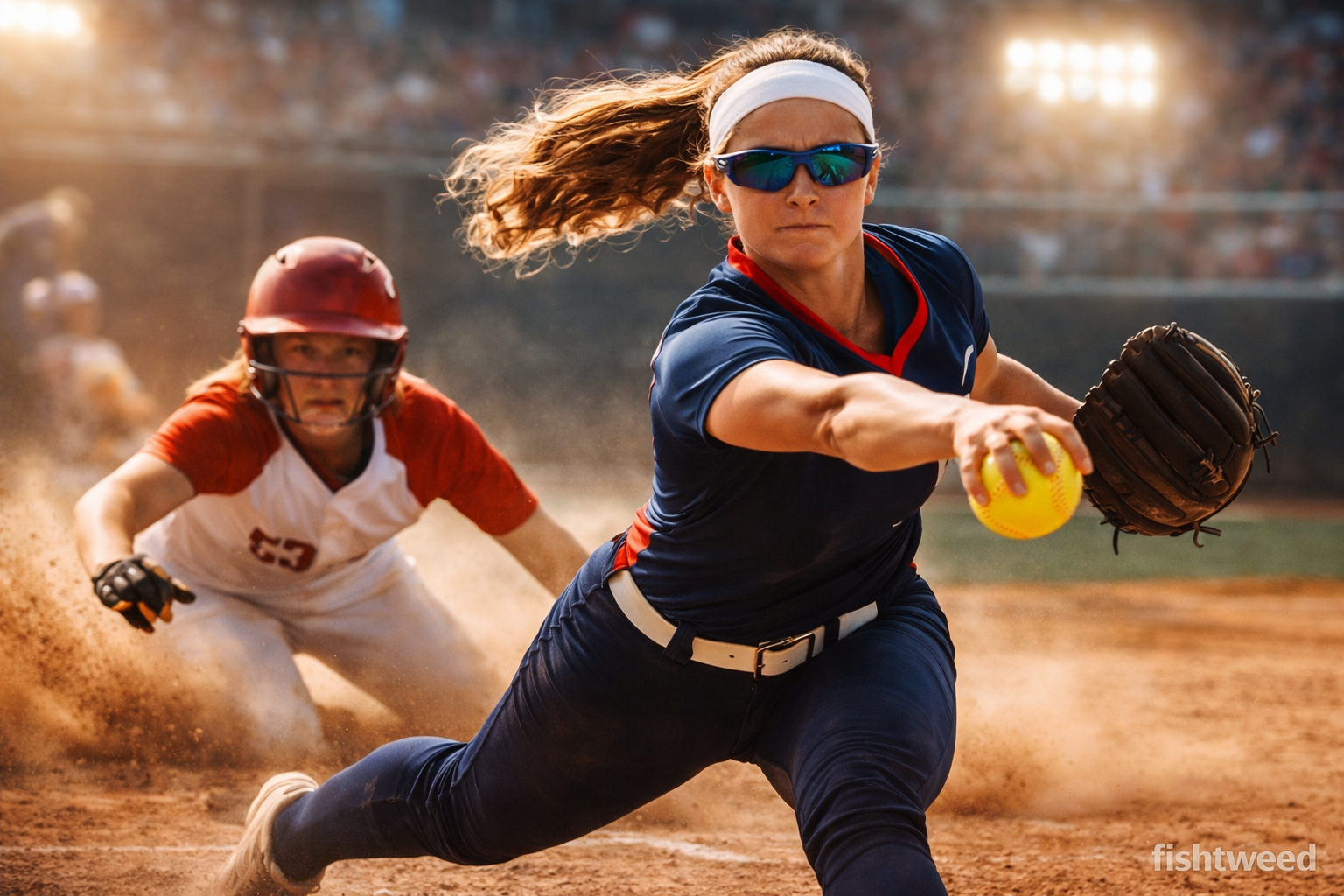
The word sã³fbol may look unusual at first glance, but for many searchers it clearly points to a sport that blends speed, strategy, teamwork, and emotion in a way few games can match. Whether the term appears because of spelling variation, encoding issues, or regional use, the intent behind it is strong: people want to understand the game, its rules, its appeal, and why it continues to attract players and fans around the world.
Sã³fbol is often mentioned alongside baseball, yet it has its own rhythm and personality. It is quicker in some moments, tighter in space, and deeply tactical from the first pitch to the final out. The game rewards sharp thinking as much as raw talent. A single defensive play can turn the mood of a match. A well-placed hit can change everything in seconds. That mix of pressure and precision is one reason the sport leaves such a strong impression on anyone who watches it closely.
What makes sã³fbol even more interesting today is that it is no longer viewed only as a side conversation in the world of bat-and-ball sports. It has a stronger identity than ever. Across schools, clubs, national teams, and international tournaments, the sport keeps building momentum. More people are watching. More athletes are entering the game. And more readers are searching for reliable, human explanations of what makes it special.
What Is Sã³fbol?
At its core, sã³fbol is a bat-and-ball sport played between two teams. One team bats and tries to score runs, while the other defends and tries to record outs. The game shares a family resemblance with baseball, but it differs in several important ways. The field is smaller, the ball is larger, and the pitching motion is delivered underhand rather than overhand. Those differences are not small technical details. They shape the entire experience of the sport.
Because the field is more compact, every play feels close and immediate. There is little room for hesitation. Infielders need fast reactions. Runners must make smart decisions. Pitchers cannot rely on power alone. They need accuracy, movement, and mental control. The result is a sport that feels intense from the start and rarely drifts into long periods of inactivity.
For many beginners, sã³fbol is easier to follow than they expect. The goal is clear. Hit the ball, reach base, and come home to score. But once someone watches a full game, the deeper layers become clear. Defensive positioning matters. Pitch selection matters. Timing matters. Communication matters. It is simple enough to enjoy quickly, yet rich enough to reward long-term attention.
Why Sã³fbol Is More Than “Just Like Baseball”
Many articles make the mistake of defining sã³fbol only by comparison. That is useful at first, but it misses the heart of the sport. Sã³fbol is not simply a smaller copy of baseball. It is a different competitive experience.
The pace feels different because of the shorter distances. Batters have less time to react. Defenders must move faster. The pressure builds quickly, especially when runners are on base. Small tactical decisions often carry huge weight. A bunt, a steal attempt, a sacrifice play, or a defensive shift can shape the entire game.
There is also a unique emotional rhythm to sã³fbol. Momentum can swing in an instant. One inning can be quiet and controlled, and the next can feel electric. Because the action happens in tighter spaces, every movement looks sharper to the eye. Spectators feel close to the game even when they are not experts.
This is one reason the sport creates such loyalty. People do not just admire the athleticism. They connect with the tension, the teamwork, and the constant sense that the next play matters.
How a Sã³fbol Game Works
A standard sã³fbol game is built around innings. In each inning, both teams have a turn on offense and defense. The batting side tries to score runs before making three outs. After three outs, the teams switch roles.
Runs are scored when a player safely advances around the bases and returns to home plate. Outs can happen in different ways. A batter can strike out. A fielder can catch a ball before it touches the ground. A runner can be forced out at a base. Or a defender can apply a tag.
These rules sound straightforward, yet the game becomes fascinating because of the choices made around them. Coaches must decide when to play aggressively and when to stay patient. Pitchers must read batters. Batters must judge speed and movement in a fraction of a second. Good teams do not only rely on talent. They rely on discipline.
That is why experienced viewers often describe sã³fbol as a thinking person’s sport. Every phase of the game invites strategy. Every inning tells a slightly different story.
The Skills That Define Great Sã³fbol
Great sã³fbol players are rarely one-dimensional. The best athletes combine technical skill with awareness and composure. A strong pitcher needs consistency under pressure. A catcher needs leadership and anticipation. Infielders need fast hands and quick feet. Outfielders need judgment, confidence, and control.
At the plate, good hitters are not simply swinging hard. They are reading the game. They study timing. They adjust to pitch patterns. They understand situations. Sometimes the right play is a line drive into the gap. Other times it is a controlled contact play that advances a runner.
Base running is another part of the sport that casual viewers often underestimate. Smart runners create pressure. They force mistakes. They turn ordinary moments into dangerous ones. In a close game, those details can make the difference between winning and losing.
Sã³fbol therefore rewards complete players. It celebrates those who can think, adapt, and compete with calm intensity.
Why Players and Fans Love Sã³fbol
There is something deeply compelling about sports that demand both individual focus and collective trust. Sã³fbol does that exceptionally well. Every player has a role, but no one truly succeeds alone. A pitcher needs defense behind her. A runner needs teammates to move her around the bases. A team needs communication on every play.
That shared responsibility creates a strong culture. Players often describe the sport as demanding but deeply rewarding. It teaches accountability, resilience, and confidence. It also builds community. Teammates spend long hours together, compete under pressure, and learn how to recover from mistakes quickly. Those lessons often stay with them far beyond the field.
Fans feel that connection too. Sã³fbol is full of dramatic moments, but it rarely feels artificial. The emotion grows naturally from the game itself. A close play at home plate. A strikeout in a tense inning. A diving catch. A comeback after a quiet start. These moments are exciting because they come from skill, timing, and nerve.
That is why the sport has such a loyal following. It is thrilling without feeling empty. It is technical without becoming cold.
The Global Rise of Sã³fbol
Sã³fbol has grown far beyond the idea of being a local or secondary sport. Its international profile continues to strengthen. Competitive programs have become more organized. National teams have gained more visibility. Development structures are improving in many regions. The sport also benefits from a broader cultural shift: audiences are paying more serious attention to women’s sports and to fast, skill-driven games that offer both drama and tactical depth.
This matters because visibility changes everything. When a sport appears on bigger stages, it earns more than headlines. It attracts investment, encourages youth participation, improves coaching pathways, and creates stronger professional ambition. For many athletes, seeing the sport featured at major events gives shape to a dream that once felt distant.
The digital era helps as well. Fans can now follow highlights, learn rules, watch training content, and discover new teams more easily than ever. That exposure brings in curious newcomers who may have searched for “sã³fbol” without much knowledge but stay because the sport proves worth their time.
Why Sã³fbol Works So Well for New Audiences
Some sports are hard to enter because they seem closed off or overly technical. Sã³fbol has the opposite advantage. A first-time viewer can understand the basic objective quickly. The action is visible. The stakes are easy to feel. The field is compact enough that every play seems important.
At the same time, experienced fans continue to find new layers. They notice defensive formations, pitch sequences, batter adjustments, and game management choices. This makes sã³fbol accessible without being shallow. It offers immediate enjoyment and long-term depth.
That balance is valuable in modern sports media. Audiences want games that reward attention but do not punish beginners. Sã³fbol fits that need very well. It can satisfy a dedicated analyst and a casual viewer at the same time.
The Human Side of the Sport
Perhaps the strongest reason sã³fbol continues to matter is that it feels personal. It is a sport of pressure, but also of growth. Players learn how to fail publicly and recover quickly. They learn how to support teammates while staying accountable for their own role. They learn how to compete with discipline rather than noise.
That gives the sport emotional weight. Behind every good team is a story of effort, repetition, setbacks, and trust. Behind every strong performance is usually years of practice that no headline ever captures. For readers, that human element makes the game more meaningful. For players, it is often the reason they stay connected to sã³fbol for life.
The best sports endure not only because they entertain, but because they shape people. Sã³fbol clearly does both.
The Future of Sã³fbol
The future of sã³fbol looks stronger than many outsiders assume. As the sport gains more exposure, it also gains more authority. Better coaching systems, wider media coverage, and growing international interest are helping it build a more stable foundation.
That progress will not happen by accident. It will depend on continued investment, thoughtful promotion, and support for youth development. But the ingredients are there. The sport has identity. It has drama. It has skill. It has a dedicated community. Most importantly, it has a product on the field that remains compelling in any era.
For publishers, coaches, parents, and fans, that makes sã³fbol a subject worth serious attention. The audience is real. The passion is real. And the game itself is more than strong enough to carry that momentum forward.
Conclusion
Sã³fbol is a sport built on speed, intelligence, precision, and trust. It may share roots with baseball, but it stands firmly on its own. Its smaller field, sharper pace, and tactical nature create a game that is easy to admire and hard to forget.
For new fans, it offers excitement from the first inning. For players, it offers challenge and growth. For the wider sports world, it offers a powerful reminder that great competition is not defined by habit or hierarchy, but by quality, emotion, and meaning.
That is why sã³fbol continues to earn attention across generations and across borders. And that is why a simple search for this keyword can open the door to a sport that deserves far more recognition than it sometimes receives.